Leak Detection & Thermal Imaging in San Jose: Find the Leak Before It Wrecks Your Home
Hidden plumbing leaks behind walls or beneath concrete slabs cause thousands in structural rot and mold before you ever see standing water. We use high-resolution infrared thermal imaging and precision moisture meters to locate hidden leaks without tearing up your home.
Slab and Radiant-Heat Leaks in San Jose's Older Homes
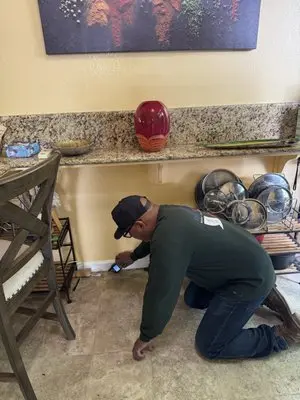
San Jose neighborhoods like Willow Glen feature many homes built in the 1940s and 1950s that utilize original copper supply lines or radiant heating buried directly inside concrete slabs. Over decades, natural ground shifting and internal copper corrosion cause tiny pinhole leaks.
Because water seeps directly into the soil beneath the slab, these leaks remain hidden until flooring begins to buckle or utility bills skyrocket.
Why Non-Invasive Thermal Scanning Matters:
Pinpoint Accuracy
Thermal scans capture heat blooms from leaking hot water lines under concrete, narrowing down the target area to a few feet.
Material Protection
Prevents unnecessary jackhammering into original Willow Glen hardwood or historic tile floors based on raw guesses.
Secondary Prevention
Trapped slab water eventually wicks up into subfloors and drywall, requiring comprehensive structural drying if left unchecked.
How Thermal Imaging and Moisture Meters Work Together
Thermal cameras do not "see" water; they detect surface temperature differences caused by evaporative cooling or hot water leaks. Because cool spots can also be caused by drafts or missing insulation, thermal camera findings must always be physically verified.
Thermal Camera Scan
Detects surface temperature anomaly & thermal footprint
Moisture Meter Inspection
Measures actual moisture content percentage inside material
Daily Moisture Mapping
Tracks drying progress over time to confirm active status
Thermal Imaging Scan: Identifies dark, cool, or warm thermal patterns across walls, ceilings, and slab floors.
Moisture Meter Verification: Pin and non-invasive moisture meters measure the exact percentage of water trapped in drywall, wood, or plaster.
Daily Tracking: Multi-day readings establish whether moisture levels are drying out or actively fed by an ongoing plumbing leak.
When You Don't Need a Diagnostic Scan
Not every water issue requires specialized thermal diagnostic equipment. If the leak source is completely visible and obvious, a diagnostic scan is an unnecessary expense.
You Do NOT Need Leak Detection If:
Visible Drips
Water is actively leaking from a visible supply line under a sink or a loose washer hose.
Window Condensation
Fogged glass caused by cold winter mornings in single-pane windows.
Old, Dry Stains
Previous water marks that are completely dry with no active moisture readings or odors.
Resolved Issues
A plumber has already physically located and repaired the broken fitting.
In these cases, property owners should call a licensed plumber for simple repairs or proceed directly to structural water extraction if standing water is present.
See our Emergency Water Extraction Services for visible flooding cleanupWhat to Expect During a Leak Detection Visit
Our leak detection visits are completely non-invasive and designed to give you total clarity before any work starts.
Initial Walkthrough
We discuss your symptoms (water bills, smells, visual spots) and inspect suspect zones.
Thermal Imaging Inspection
We scan walls, ceilings, and concrete slabs to locate thermal anomalies.
Moisture Meter Testing
We physically verify moisture levels using non-destructive sensors.
Mapping the Affected Area
We clearly outline where moisture has spread behind building materials.
Review & Plan
We explain our exact findings and present recovery options before any structural work begins.
A standard residential inspection takes less than an hour and includes a free on-site estimate. If active structural damage is found, our team can document everything directly for your insurance claim.
Frequently Asked Questions
Common questions about non-invasive leak detection and thermal imaging in San Jose.
Does thermal imaging see through walls to find water?
No. Thermal cameras detect surface temperature differences created by heat line leaks or cooling from evaporating water. We confirm all thermal anomalies using calibrated moisture meters.
How long does a leak detection inspection take?
For a standard single-family home in San Jose, an inspection typically takes under an hour. Commercial or multi-unit buildings require additional time based on square footage.
Can thermal imaging detect slab leaks under concrete?
Yes. Hot water slab leaks create a distinct warm temperature bloom on the surface of concrete, tile, or hardwood flooring that thermal cameras easily pick up.
What happens if you find active water damage during the leak scan?
If active structural water damage is confirmed, our team can immediately perform emergency water extraction, set up structural drying equipment, and file direct insurance billing on your behalf.
Emergency Water Damage?
Pay Zero Upfront.
Direct insurance billing on covered claims with no hidden catch. Get immediate water damage repair & extraction in San Jose today. Contact us to book a free on-site estimate!
Feel Free to Contact Us or Book Services
First Response: Your best solution for accurate, immediate, and professional help for all your water damage repair and restoration needs in San Jose and Silicon Valley.
- 24/7 Friendly Support
- Professional IICRC-Certified Specialists
- 15+ Years Local Experience in San Jose
- Direct Insurance Billing & Itemized Claims
- Same-Day Water Damage Extraction