
Structural Drying & Dehumidification in San Jose: Getting Your Home Truly Dry, Not Just Dry-Looking
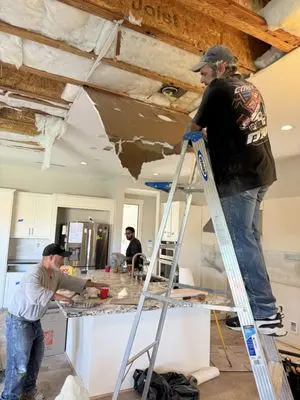
Walls and subflooring may feel dry to the touch while trapped moisture continues to rot framing lumber and trigger mold colonies behind drywall. We use commercial LGR dehumidifiers, high-velocity air movers, and psychrometric moisture logs to return structural materials to certified dry standard.
When Structural Drying Isn't Necessary
Not every wet spot needs a crew and a dehumidifier. We get calls all the time for things that turn out fine on their own. A coffee cup tipped over on the kitchen floor, wiped up in five minutes, dried by dinner, that's not a job for us.
Here's the test: how long did the water sit, and where did it go? A glass of water on tile, caught right away, needs nothing more than a towel. Wondering if your situation clears that bar? Ask yourself if the water touched drywall, subfloor, or insulation at all.
San Jose's dry summer air works in your favor here. Low outdoor humidity for much of the year means a small spill on hard flooring, caught within an hour or two, often evaporates on its own with a window cracked and a fan running. That's different from water that sat overnight under an appliance or soaked into carpet padding.
Check for these signs before picking up the phone:
No Musty Odor
Air smells completely normal with zero damp or fungal scent.
Solid Flooring
Flooring is fully rigid with no spongy or warped sections.
Clean Drywall & Baseboards
No discoloration, bubbling paint, or watermarks.
Source Fully Fixed
The leak has been identified and permanently resolved.
If all of that checks out, you're probably in the clear. But if it's been more than a day, or the water traveled somewhere you can't see, moisture can hide in wall cavities for weeks.
Explore our full water damage restoration service pageWhy San Jose Homes Dry Differently
Not every house dries the same way, and San Jose is a good example of why. Walk through Willow Glen or the Rose Garden area and you'll find older homes with raised foundations and crawl spaces underneath. Water gets under there and just sits. Head over to newer construction in Evergreen or Berryessa and you're dealing with slab-on-grade floors instead. There, moisture soaks straight into concrete and takes longer to release than most people expect.
Then there's the soil. Clay soil is common across the valley floor.It expands when it's wet. That swelling pushes moisture toward foundations and crawl spaces long after the rain stops. This is why we run moisture mapping and daily monitoring instead of guessing when a job's done.
San Jose's weather pattern doesn't help either. Dry summers, then a wet stretch from November through March, mean many homes aren't built with humidity swings in mind. Stucco exteriors, common all over town, trap moisture behind the wall assembly if it isn't dried from the inside out.
That's the point of structural drying and dehumidification done right. It's not about pointing a fan at wet drywall. It's about reading the building, tracking the moisture as it moves, and pulling it out on a schedule that matches how San Jose homes hold water.
Not sure what your Structural Drying & Dehumidification project needs?
Get a Free Estimate. First Response Water Mold Fire is ready to help.
Inside the Professional Drying Process
What does the job look like once we're on site? It's not just dropping off a few fans and leaving. Here's the sequence we follow on most San Jose jobs, from a Willow Glen bungalow with a soaked subfloor to a Berryessa condo with a wet closet wall:
Extract Standing Water First
Using truck-mounted or portable pumps. Wet air can't dry wet materials underneath it.
Map Moisture with Meters & Thermal Imaging
Marking exactly which studs, floors, and drywall sections are affected.
Set Containment if Needed
This keeps drying from pushing moisture and humidity into rooms that were never wet.
Deploy LGR Dehumidifiers & Air Movers
Placed strategically based on the moisture map, not just the visible wet spot.
Daily Monitoring & Equipment Adjustments
We check and log readings daily, adjusting equipment placement as materials dry at different rates.
Confirm Dry Standard Before Equipment Removal
Final psychrometric readings verify all structural components meet certified dryness.
That daily monitoring step is the one people skip when they try this themselves. Wood, drywall, and subfloor all dry at different speeds. A meter tells you the truth a lot faster than touch does. The spot that looks dry on day two still reads wet on day four.
Most jobs run three to five days of active drying, sometimes longer if it's a slab leak in an older Cambrian Park home where the concrete itself is soaked through. We also offer a free on-site estimate and handle direct insurance billing. The documentation from this whole process goes straight into your claim.
Confirming Your Structure Meets Dry Standard
Here's the part a lot of homeowners don't know to ask about. Drying isn't done when the carpet feels dry to your hand. It's done when moisture readings inside the walls, subfloor, and framing match what's normal for a dry building in San Jose's climate.
We use moisture mapping and daily monitoring throughout the job, not just at the start. Every visit, we log readings from the same spots and track the trend. That log becomes proof the structure hit dry standard, not just proof we showed up. Drywall can feel bone dry on the surface while the stud behind it is still sitting at 20% moisture. Close that wall up too early, and you're looking at mold growth in eight to twelve weeks.
Our Verification & Clearance Standards:
- Moisture readings compared against a dry standard set from an unaffected area of your home.
- Daily monitoring logs so you can see the drying trend, not just a final number.
- Documentation your insurance adjuster can reference for the claim.
- A final check before equipment comes out, not a guess based on how many days it's been.
We won't pull equipment just because it's been three days. Every structure dries at a different pace depending on the materials involved, the humidity outside, and how much water got in to begin with. Older Willow Glen homes with plaster walls hold moisture longer than newer construction with modern drywall. When we say a job is done, the numbers back it up.
Request a Free Estimate & Structural InspectionFrequently Asked Questions
Common questions about Structural Drying & Dehumidification in San Jose.
How fast can you get a drying crew to my San Jose home?
We work throughout San Jose and can typically get a crew scheduled quickly once you call, since standing water and wet drywall get worse the longer they sit. When you call, tell us how long the area has been wet and whether it's near a bathroom, kitchen, or exterior wall. That helps us bring the right equipment on the first visit instead of making a second trip. Faster scheduling means less time for moisture to spread into subfloors or crawl spaces you can't see.
What happens when your team first arrives at my house?
We start by extracting any standing water, then map the moisture with a meter and sometimes a thermal camera. This tells us exactly which studs, drywall sections, and flooring are wet, not just what looks wet. On older Willow Glen or Rose Garden homes, we check the crawl space first, since raised foundations trap moisture longer than a slab does. You'll get a clear picture of what's affected before any equipment gets placed.
Why do San Jose homes seem to dry out slower than expected?
Clay soil across the valley floor is a big reason. It swells when wet and keeps pushing moisture toward foundations and crawl spaces long after rain stops. Homes with stucco exteriors, common all over San Jose, can also trap moisture behind the wall assembly if it isn't dried from the inside out. That's why we run daily moisture monitoring instead of guessing when a job is finished. What looks dry on day two can still read wet on day four.
How long does structural drying usually take?
Most jobs run three to five days of active drying, sometimes longer depending on how deep the moisture traveled. Wood, drywall, and subfloor all dry at different speeds, so we check readings daily and adjust equipment placement as materials release moisture. A meter tells the truth faster than touch does. We don't pull equipment until final moisture readings confirm the materials have reached a dry standard, not just until the surface feels dry.
Do I really need a drying crew for a small spill or leak?
Not always. If water was caught within an hour or two on hard flooring, and never touched drywall, subfloor, or insulation, San Jose's dry summer air often handles the rest with a window cracked and a fan running. But if water sat overnight, soaked into carpet padding, or you notice a musty smell that keeps coming back, moisture is likely hiding in a wall cavity. That's when it's worth having it checked properly.
How can I tell if moisture is trapped inside my walls or floors?
Look for a musty smell that returns even after cleaning, paint or wallpaper that's bubbling or wavy, and drywall that feels soft when pressed. Floors that feel cool or slightly warped near exterior walls are another sign, along with a water bill spike you can't explain. These clues usually show up before you ever see an actual stain, since a hidden leak can soak into framing for weeks unnoticed.
Emergency Water Damage?
Pay Zero Upfront.
Direct insurance billing on covered claims with no hidden catch. Get immediate water damage repair & extraction in San Jose today. Contact us to book a free on-site estimate!
Feel Free to Contact Us or Book Services
First Response: Your best solution for accurate, immediate, and professional help for all your water damage repair and restoration needs in San Jose and Silicon Valley.
- 24/7 Friendly Support
- Professional IICRC-Certified Specialists
- 15+ Years Local Experience in San Jose
- Direct Insurance Billing & Itemized Claims
- Same-Day Water Damage Extraction