
Water and Mold Damage Restoration in Hayward, CA Neighborhoods
24/7 Water, Mold & Fire Restoration — Locally Based in San Jose
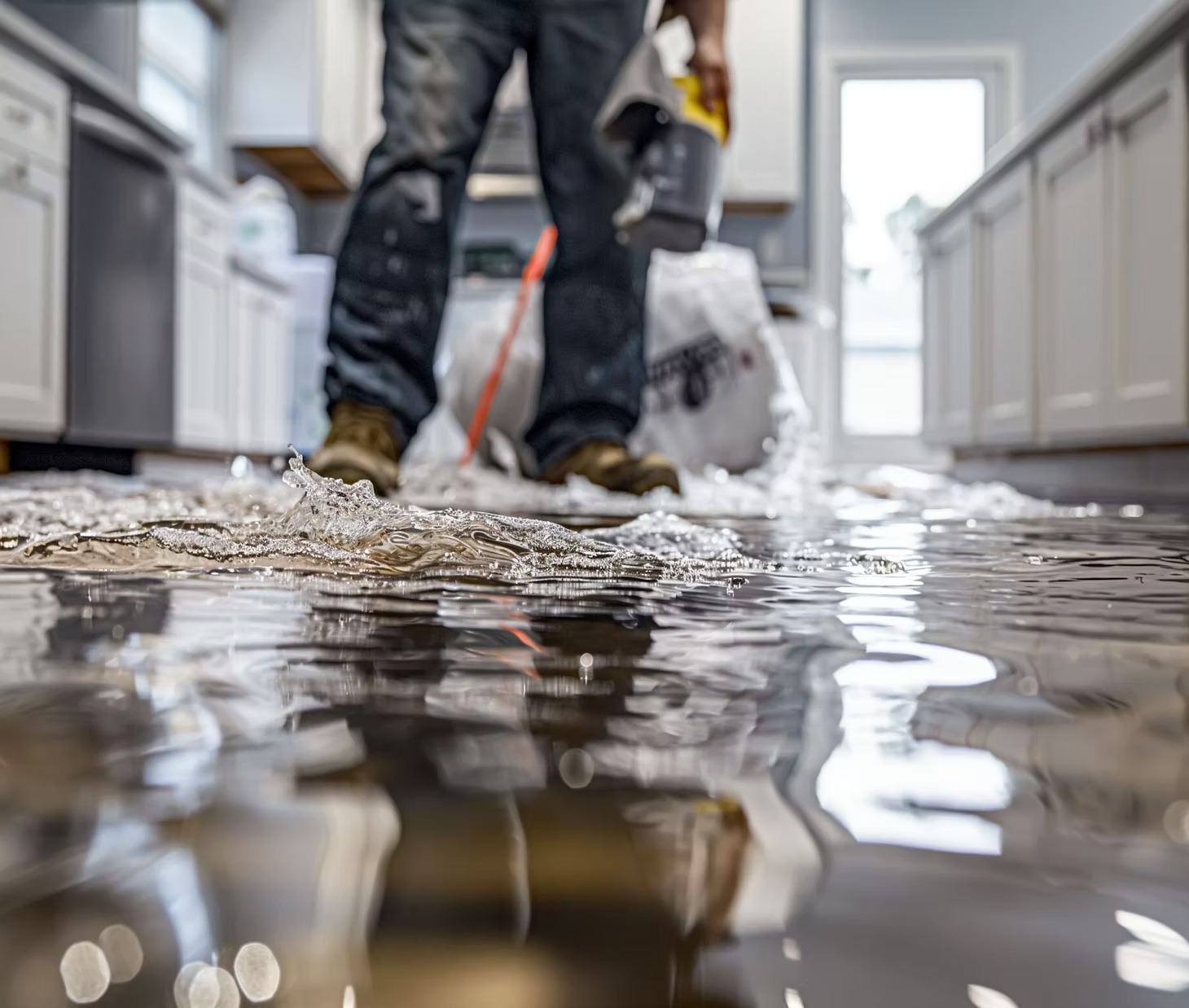
Restoration Services in Hayward, CA
IICRC-certified rapid response teams available 24/7. Direct insurance billing, state-of-the-art moisture mapping, and hospital-grade sanitization.
Water Damage Repair & Extraction
A burst pipe, failing water heater, or sudden leak requires immediate professional water damage repair. Our San Jose technicians arrive in under 30 minutes to extract water, repair damaged structures, and dry your property thoroughly. Free on-site estimate, no trip fee.
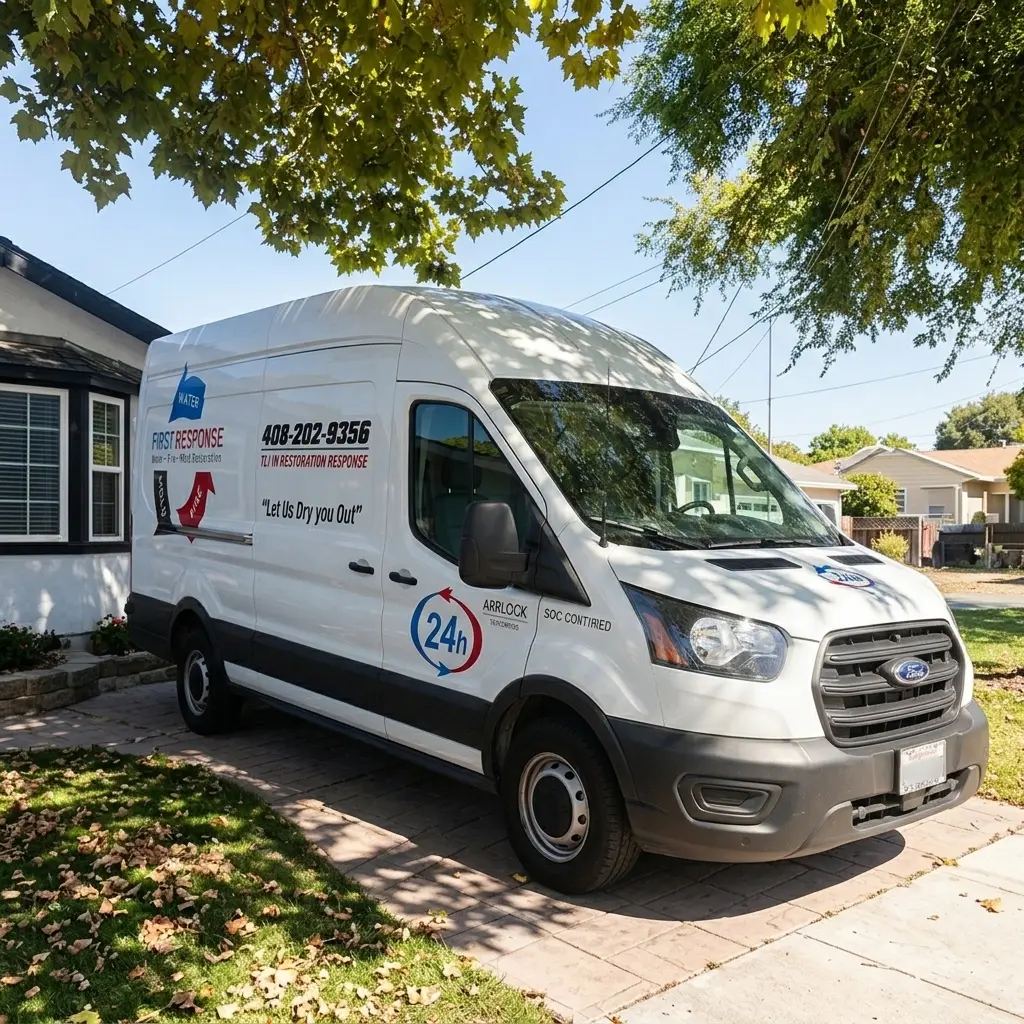
Mold Remediation & Removal
Water damage left unchecked can become a mold problem within 24-48 hours. Our San Jose team, certified by IICRC, contains, eliminates, and treats mold at its source, not just on the surface, using negative pressure air containment systems and HEPA filtration to prevent the spread of spores.
Fire Damage Restoration
Emergency fire recovery, structural soot cleaning, thermal fogging odor removal, and climate-controlled contents pack-out & storage.
Structural Drying & Dehumidification
Wet walls, subfloors, and framing that aren't fully dried lead to hidden mold and structural warping. We use commercial-grade LGR dehumidifiers and high-velocity axial fans to confirm your property reaches 100% dry standard before closing the job.
Sewage & Category 3 Black Water Cleanup
Sewage backups and Category 3 water expose your home to dangerous pathogens and health risks. We extract biohazard waste, sanitize contaminated surfaces, and apply hospital-grade disinfectants following strict IICRC and OSHA protocols.

What's Covered on This Page
25min
Average response
94541
Service ZIP code
24/7
Live dispatch
Water and Mold Restoration Across Hayward Service Areas
We handle water and mold jobs all over Hayward, from the older bungalows near downtown to the hillside homes off Mission Blvd. Every neighborhood here has its own quirks when it comes to leaks and moisture, and we've run into most of them firsthand.
Drive through Hayward during a rainy week and it's obvious. Gutters overflow near the Cannery District. Driveways pool up on the flatter blocks south of downtown. We get called out to these streets often enough to know which ones drain fast and which ones stay wet for days.
Hayward's housing stock is a mix: older single-family homes closer to downtown, newer builds up in the hills, and apartments and duplexes scattered through the flats. That mix matters. A slab leak in a 1950s bungalow doesn't behave like a ceiling leak in a three-story apartment building near Cal State East Bay.
- IOlder single-family homes near downtown Hayward with original plumbing and crawl spaces prone to moisture
- IIHillside properties off Mission Blvd with drainage and grading issues after heavy rain
- IIIApartment and multi-family buildings near the Cal State East Bay corridor with shared-wall leak risks
- IVSouth Hayward homes with slab foundations that can hide a slow leak for weeks
- VOlder commercial buildings along Foothill Blvd with roof and HVAC-related water intrusion
We've pulled soaked carpet pad out of more than one Jackson Triangle rental after a washer hose let go. Toilet overflows in older homes near the Hayward BART line come up a lot too, usually tied to aging wax rings or roots working their way into the line.
Mold shows up differently depending on the block. Homes with crawl spaces in the flatter parts of town tend to trap moisture underneath. Hillside homes deal with it more around window seals and roof valleys after a wet winter. Either way, the fix starts the same way: map the moisture first, dry it out, then treat if mold's already growing.
So whether you're near the Southland Mall area or up toward the hills, we're not guessing at your house. Odds are we've already worked on your block, or one just like it a few streets over. We offer a free on-site estimate for Hayward homeowners and can bill your insurance directly, so you're not stuck fronting the cost while a claim gets sorted out.
How Our Team Reaches Every Hayward Service Area
Our dispatch point sits at 666 Commercial St in San Jose, and every truck headed to a Hayward job follows the same core route to keep response times consistent. Crews pull onto Capitol Expressway, merge onto I-880 North, and stay on that corridor for most of the trip. From there, the exit depends on the neighborhood: Winton Avenue, Tennyson Road, A Street, and Hesperian Boulevard cover most of central and southern Hayward, while Industrial Parkway and Whipple Road handle jobs closer to the Hayward-Union City line.
Under normal traffic, that drive runs about 25 to 30 minutes door to door. I-880 through this stretch is one of the busier commuter corridors in the East Bay, though, and it backs up predictably during weekday rush periods. Morning congestion between roughly 7 and 9 a.m. and evening slowdowns from 4 to 6:30 p.m. can stretch the same trip to 45 minutes, or close to an hour on heavier days. We build that variability into scheduling, so when a job is time-sensitive, like an active water leak, dispatch plans around the traffic window instead of assuming the best-case drive time.
Once a crew reaches the general area, the last few minutes often matter as much as the highway stretch before it. Hayward's mix of older housing stock, narrower residential streets near downtown, and newer subdivisions closer to the hills means access varies block by block.
- ICrews check for available street parking first, since many older Hayward blocks have limited curb space and no dedicated driveway pad
- IITechs verify driveway access and clearance for equipment, particularly on properties with shared or narrow driveways common in the Cherryland and Jackson Triangle areas
- IIISide-yard entry points get checked before unloading gear, as several older Hayward homes route utility and crawlspace access through gated side yards rather than the front door
This same routine applies whether the call comes from a flat street near Mission Boulevard or a sloped lot up toward the Hayward hills. Knowing the road layout and the access quirks of a given block ahead of time keeps the on-site setup moving quickly once the truck arrives, which matters most when standing water is already spreading through a home.
What Local Soil and Older Plumbing Mean for Water Damage
The ground beneath many Hayward homes isn't as stable as it looks. The Hayward Fault runs directly through the city, and while dramatic seismic events grab the headlines, it's the slow, near-constant creep of soil along the fault line that causes the most plumbing-related headaches. This gradual shifting can crack foundation slabs and stress the pipe joints beneath them, often so slowly that homeowners don't notice a problem until a slab leak has already been soaking the subfloor for weeks or months.
Low-lying streets near San Lorenzo Creek face a different kind of exposure. During heavy winter storms, the creek has a documented history of overflowing its banks, pushing water into yards, garages, and ground-floor living spaces in surrounding neighborhoods. Homes in these pockets tend to see water intrusion that arrives fast and from the outside in, rather than the slow interior leaks more common elsewhere in the city.
Add aging infrastructure to the mix and the picture gets more complicated. A large share of homes in this area were built during the 1950s and 1960s construction boom, which means much of the original galvanized steel and early copper plumbing is now decades past its expected lifespan. Pipes installed before modern corrosion-resistant materials became standard are far more prone to pinhole leaks, joint failures, and slow seepage behind walls, especially where they meet foundation movement from fault-related soil shifts.
- ISlab cracks from gradual fault-line soil movement, often invisible until water stains or flooring damage appear
- IICreek-adjacent street flooding during peak storm months affecting garages and lower-level rooms
- IIICorroded original plumbing from 1950s and 1960s construction reaching failure points
- IVSewer lateral cracks where aging clay or cast iron pipe meets shifting soil
These factors converge most visibly during winter storm season, roughly November through March, when water intrusion calls rise sharply compared to the rest of the year. Saturated ground adds pressure against foundations already weakened by slow shifting, older pipes swell and contract with temperature changes, and creek-adjacent properties face their highest flood risk of the year. Knowing which factor applies to a given property, whether it's fault-line soil movement, creek proximity, or plumbing age, helps Hayward homeowners prioritize inspections before storm season instead of reacting after damage has already spread through walls and flooring.
None of these risks mean a home is doomed to constant water problems. They just mean the warning signs are worth watching for: hairline cracks near baseboards, a musty smell in a crawl space, or a water bill that creeps up without an obvious reason. Catching any of these early, especially in a Hayward home built before 1970, usually means a smaller repair instead of a full restoration job.
Active water emergency?
Call 408-202-9356 — under 30 min response.
Common questions about Hayward, CA in Hayward
How fast can you get to a water leak near the Cal State East Bay corridor?
Most jobs near the Cal State East Bay corridor take about 25 to 30 minutes from dispatch. That time can stretch to 45 minutes or more during weekday rush hours on I-880. For active leaks in this area, we plan around traffic instead of guessing, so crews still arrive ready to start drying things out fast.
Why do homes near San Lorenzo Creek flood differently than other Hayward homes?
Homes near San Lorenzo Creek usually see water come in fast from the outside during heavy storms, not slow interior leaks. The creek has a history of overflowing its banks in winter, pushing water into yards, garages, and ground-floor rooms. That means we treat these calls as fast-moving exterior intrusion, not a hidden slab leak.
Do you need special access for shared-wall apartments near the Cal State East Bay area?
Yes, shared-wall buildings near Cal State East Bay often need extra coordination before we start. Leaks in these units can travel between walls and affect a neighbor's unit too, so we check adjoining spaces early. Crews also confirm building access and parking ahead of time, since many of these properties have limited street parking near campus.
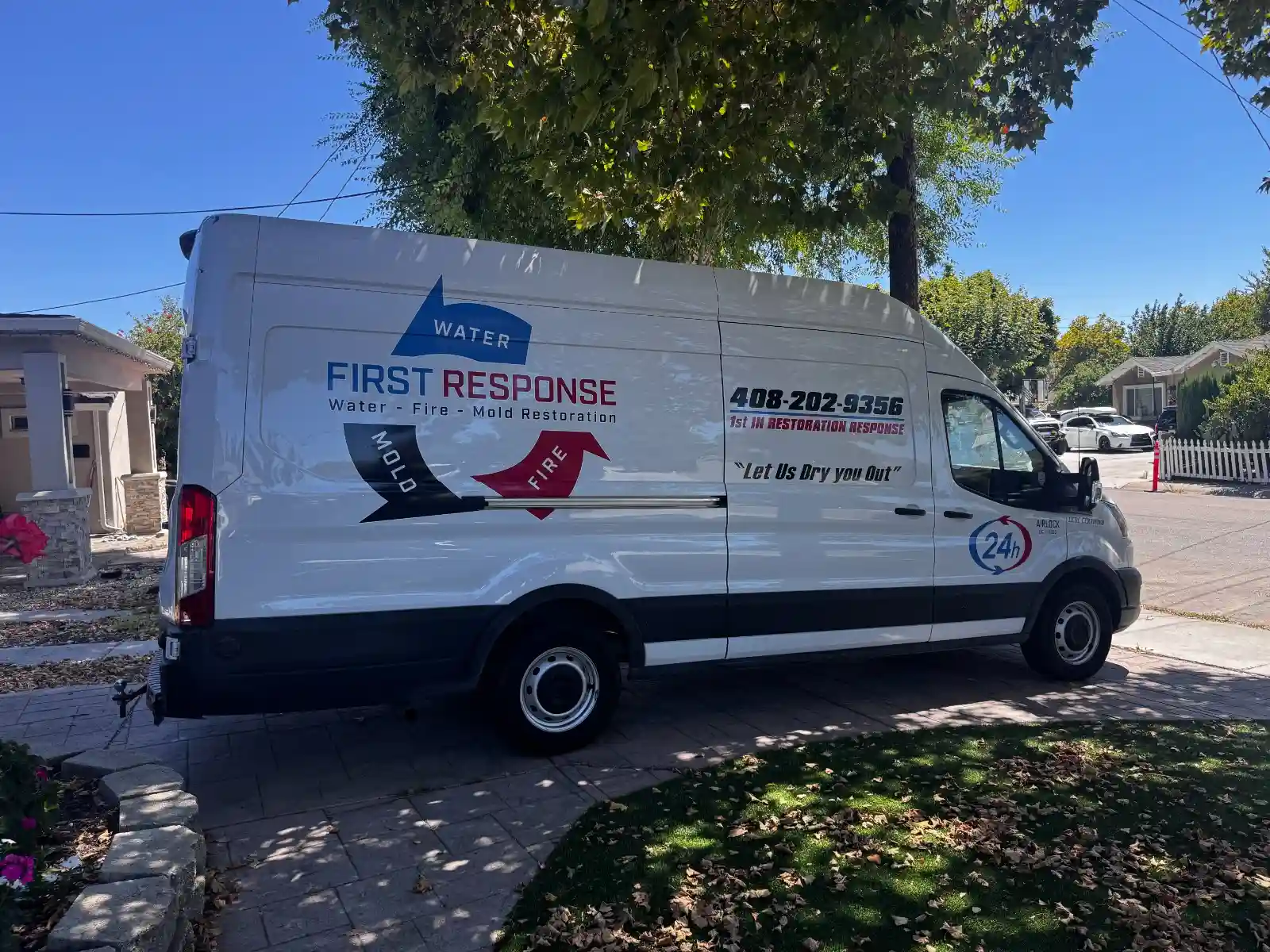
Emergency Water Damage?
Pay Zero Upfront.
Direct insurance billing on covered claims with no hidden catch. Get immediate water damage repair & extraction in San Jose today. Contact us to book a free on-site estimate!
Feel Free to Contact Us or Book Services
First Response: Your best solution for accurate, immediate, and professional help for all your water damage repair and restoration needs in San Jose and Silicon Valley.
- 24/7 Friendly Support
- Professional IICRC-Certified Specialists
- 15+ Years Local Experience in San Jose
- Direct Insurance Billing & Itemized Claims
- Same-Day Water Damage Extraction