
Water Damage Restoration Near East Palo Alto, CA Service Areas
24/7 Water, Mold & Fire Restoration — Locally Based in San Jose
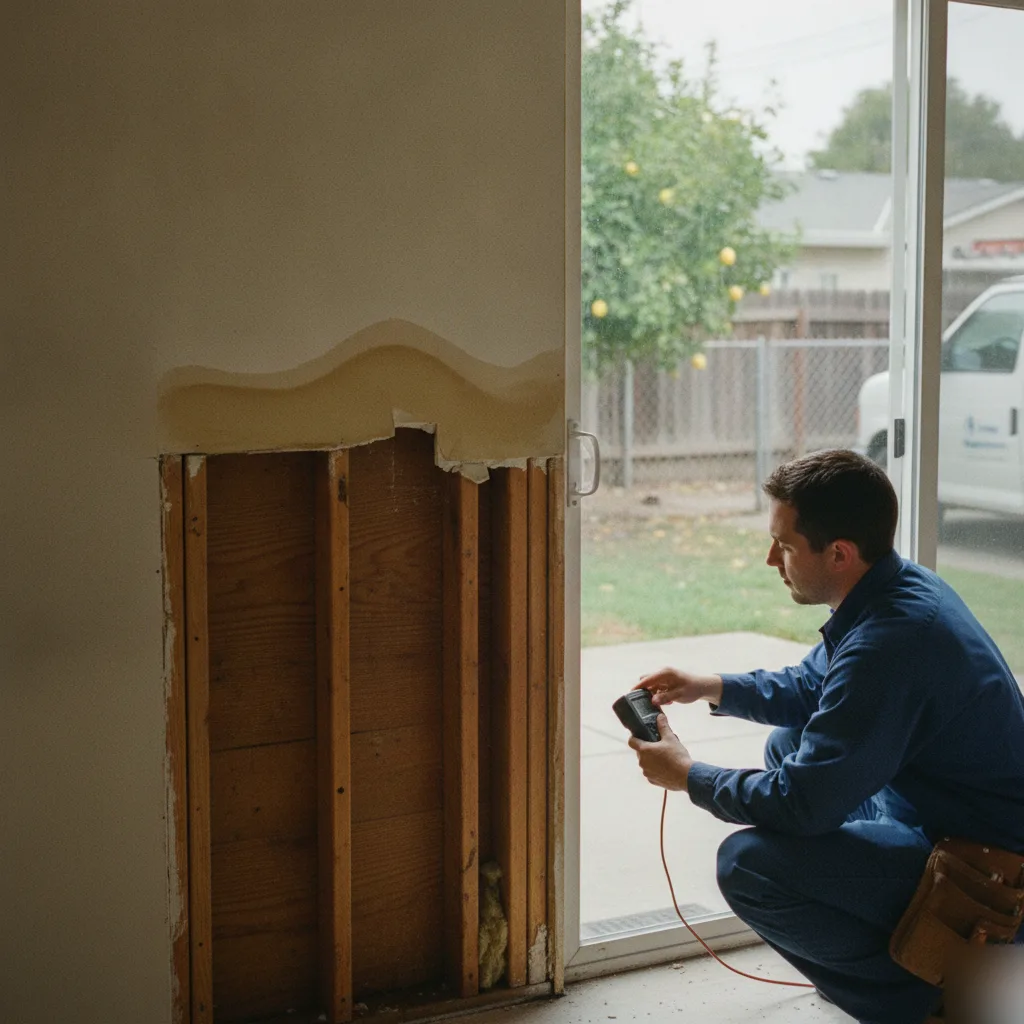
Restoration Services in East Palo Alto, CA
IICRC-certified rapid response teams available 24/7. Direct insurance billing, state-of-the-art moisture mapping, and hospital-grade sanitization.
Water Damage Repair & Extraction
A burst pipe, failing water heater, or sudden leak requires immediate professional water damage repair. Our San Jose technicians arrive in under 30 minutes to extract water, repair damaged structures, and dry your property thoroughly. Free on-site estimate, no trip fee.
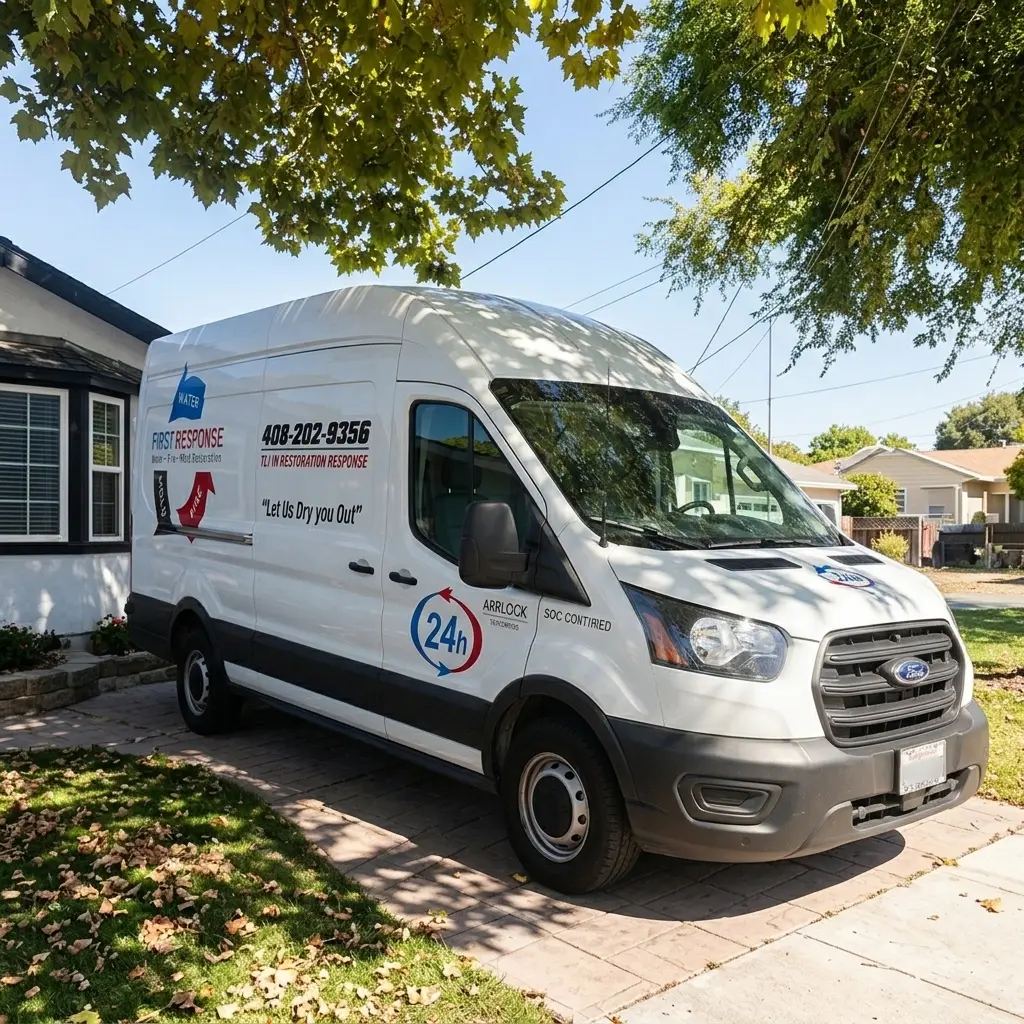
Mold Remediation & Removal
Water damage left unchecked can become a mold problem within 24-48 hours. Our San Jose team, certified by IICRC, contains, eliminates, and treats mold at its source, not just on the surface, using negative pressure air containment systems and HEPA filtration to prevent the spread of spores.
Fire Damage Restoration
Emergency fire recovery, structural soot cleaning, thermal fogging odor removal, and climate-controlled contents pack-out & storage.
Structural Drying & Dehumidification
Wet walls, subfloors, and framing that aren't fully dried lead to hidden mold and structural warping. We use commercial-grade LGR dehumidifiers and high-velocity axial fans to confirm your property reaches 100% dry standard before closing the job.
Sewage & Category 3 Black Water Cleanup
Sewage backups and Category 3 water expose your home to dangerous pathogens and health risks. We extract biohazard waste, sanitize contaminated surfaces, and apply hospital-grade disinfectants following strict IICRC and OSHA protocols.

What's Covered on This Page
35min
Average response
94303
Service ZIP code
24/7
Live dispatch
How Older Single-Family Homes Handle Water Damage
Many East Palo Alto homes date back to the postwar boom of the 1950s and 1960s, and their original plumbing, slab foundations, and single-story layouts create some unique water damage risks. Aging clay and cast-iron pipes corrode over time, slab foundations trap moisture instead of letting it drain away, and one-level floor plans let leaks travel farther before anyone notices. Knowing these vulnerabilities helps homeowners catch problems early and choose the right repair approach.
A large share of the housing stock in neighborhoods like Woodland Park and Gardens dates back to that postwar construction boom. These homes went up quickly and affordably to meet demand, using materials and methods that were standard at the time. The bones are often solid, but the original infrastructure was never built to go this long without attention, and that mismatch creates water damage patterns you just don't see in newer subdivisions.
Plumbing tends to be the biggest concern. Many of these homes still run original clay sewer laterals or cast-iron supply and drain lines under the slab or through the walls. Clay pipe joints degrade over decades, which lets roots work their way in and small leaks form below the surface. Cast iron corrodes from the inside out, often failing with no visible warning until a pinhole leak becomes a steady drip inside a wall cavity or under the flooring.
Slab foundations, standard for this era, bring their own set of problems. A raised foundation with a crawlspace lets moisture escape and be inspected; a slab just traps water against the concrete. A slow leak in a pipe embedded in or under the slab can go unnoticed for months while it wicks moisture upward into flooring, drywall, and framing. By the time discoloration or a musty smell shows up, the damage underneath is usually worse than it looks.
The single-story, open layout common to these homes also changes how water moves once a leak starts. There's no second floor to contain things, so a kitchen or bathroom leak can spread across the entire slab and reach bedrooms, hallways, and closets far from where it began. That's why a seemingly minor leak in a 1960s ranch-style home often calls for drying and monitoring a much bigger footprint than the same leak would need in a newer, multi-level house.
- IKitchen and bathroom supply line leaks from aging cast-iron or galvanized plumbing
- IISlow slab leaks that surface as warped flooring, baseboard staining, or unexplained humidity
- IIIWater heater failures in original garages, where units are often decades past their expected lifespan
- IVSewer lateral backups caused by root intrusion into old clay pipe joints
- VWidespread moisture spread across single-story layouts before a leak is visually detected
Because these issues show up so often in East Palo Alto's older housing stock, restoration work here usually starts with moisture mapping across the whole slab rather than just the room where the damage is visible. Technicians who know this building era check original garages for aging water heaters, inspect under-slab plumbing runs, and test moisture levels in adjoining rooms even when only one area looks affected.
How Our Team Reaches the East Palo Alto Service Area
When a call comes in from East Palo Alto, our crews head out from our home base at 666 Commercial St in San Jose and travel north through the South Bay before crossing into the Peninsula. The most direct path puts our trucks on Highway 101 North, connecting to the Dumbarton Bridge corridor, which carries teams straight across the Bay without a detour through busier Peninsula surface streets. We chose this route because it keeps turns and traffic signals to a minimum between our shop and the neighborhoods we serve, and that matters when a customer is dealing with an active leak or spreading mold.
Under normal conditions, the drive runs about 35 to 40 minutes. That changes once Highway 101 and the Dumbarton Bridge hit their predictable rush-hour crunch, particularly during the early morning and late afternoon commute, when the same trip can stretch to 55 minutes or more. Dispatch tracks these patterns closely and builds real-time traffic into the arrival estimates we give customers, rather than quoting a flat drive time that ignores Bay Area congestion. If a job comes in during a known high-traffic window, we let you know the adjusted timing up front.
Once a crew reaches East Palo Alto, getting equipment to the door starts before anyone rings the bell. Many residential blocks here have narrower streets and limited curb space, so technicians check street parking options right away and find the safest spot to stage the truck without blocking neighbors or driveways. From there, crews decide whether rear or side entry makes more sense for moving extraction equipment, air movers, and dehumidifiers into the space, since the front door isn't always the most practical route on tighter lots.
Local geography factors into the plan too. Several streets near the Bay sit at a lower elevation and are known to hold standing water for a while after heavy storms. Crews account for this on the last leg of the drive and when deciding where to park and unload, since driving through pooled water risks both the vehicle and the equipment inside it. Knowing which blocks tend to flood first lets our teams adjust ahead of time instead of getting caught off guard on arrival.
- IDirect route via Highway 101 North and the Dumbarton Bridge corridor from San Jose into East Palo Alto
- IITypical drive time of 35 to 40 minutes, rising to roughly 55 minutes or more during rush hour
- IIIOn-site evaluation of street parking and rear or side entry options for narrower residential blocks
- IVRoute adjustments for low-lying streets near the Bay that can hold standing water after storms
Water Damage Risks Near San Francisquito Creek and the Bay
East Palo Alto sits at the edge of the San Francisco Bay, which puts many homes at a lower elevation than surrounding communities. That means groundwater and storm runoff often sit much closer to foundations than homeowners realize. During heavy rain, water has less distance to travel before it reaches crawl spaces, basements, and slab foundations, so drainage systems around the home end up carrying more weight than they would in a hillside neighborhood. Even a modest storm can leave standing water near foundation walls for extended stretches, especially in yards with clay-heavy soil that drains slowly.
Properties near San Francisquito Creek face an added layer of risk. When winter storms push the creek toward capacity, nearby streets and yards can see rising water tables and localized flooding well before the creek itself overtops its banks. Homes within a few blocks of the creek corridor should treat any multi-day rain forecast as a cue to check sump pumps, clear gutters, and confirm that yard grading still slopes away from the house. Waiting until water is visibly pooling near the foundation often means the damage has already started underneath.
Unlike newer condo or apartment developments, where water intrusion often affects shared walls or common areas, East Palo Alto's housing stock leans heavily toward owner-occupied single-family homes. That matters because when a pipe bursts or a roof leaks here, the damage and the repair bill land on one household rather than getting split across a homeowners association or multiple units. There's no shared insurance pool to soften the blow, which makes fast response and accurate damage assessment even more important.
The median age of homes in the area plays a role too. Many houses still have original galvanized steel plumbing, which corrodes from the inside out over the decades and eventually leaks or bursts with little warning. Older composition roofing, common on the neighborhood's mid-century homes, is another frequent source of slow, hidden leaks that show up as ceiling stains long after water has already soaked into insulation and framing.
- ICheck exposed galvanized pipes in basements and crawl spaces for rust-colored water or pinhole leaks
- IIInspect attic spaces after storms for water stains near roof valleys and chimney flashing
- IIIClear yard drains and downspouts before the winter rain season, especially on properties near the creek corridor
- IVWatch for musty odors in closets or lower-level rooms, which often signal moisture buildup before visible mold appears
Coastal humidity from the nearby Bay adds urgency once water intrusion happens. Moist air slows natural drying and gives mold colonies a head start, sometimes within 24 to 48 hours of a leak or flood. That short window is why homeowners in this area benefit from getting water extracted and affected materials dried quickly, rather than waiting to see if a damp spot resolves on its own.
Active water emergency?
Call 408-202-9356 — under 40 min response.
Common questions about East Palo Alto, CA in East Palo Alto
How fast can you get to my home near East Palo Alto after I call?
Our crews usually arrive in 35 to 40 minutes from our San Jose base using Highway 101 North and the Dumbarton Bridge. During rush hour, that trip can stretch to 55 minutes or more. We track traffic in real time and give you an updated arrival window if your call comes in during a busy commute period.
Why does my East Palo Alto home flood in more rooms than expected?
Many homes here were built in the 1950s and 1960s with slab foundations and single-story layouts. Water from a kitchen or bathroom leak has no upstairs floor to stop it, so it spreads across the whole slab. That's why we map moisture in every room, not just the one where damage first shows up.
Will parking or narrow streets slow down equipment setup at my house?
It shouldn't cause delays, but it does change our approach. Many residential blocks in East Palo Alto have narrower streets and limited curb space, so our techs scout parking first and often use rear or side entry instead of the front door to move extraction equipment in faster.
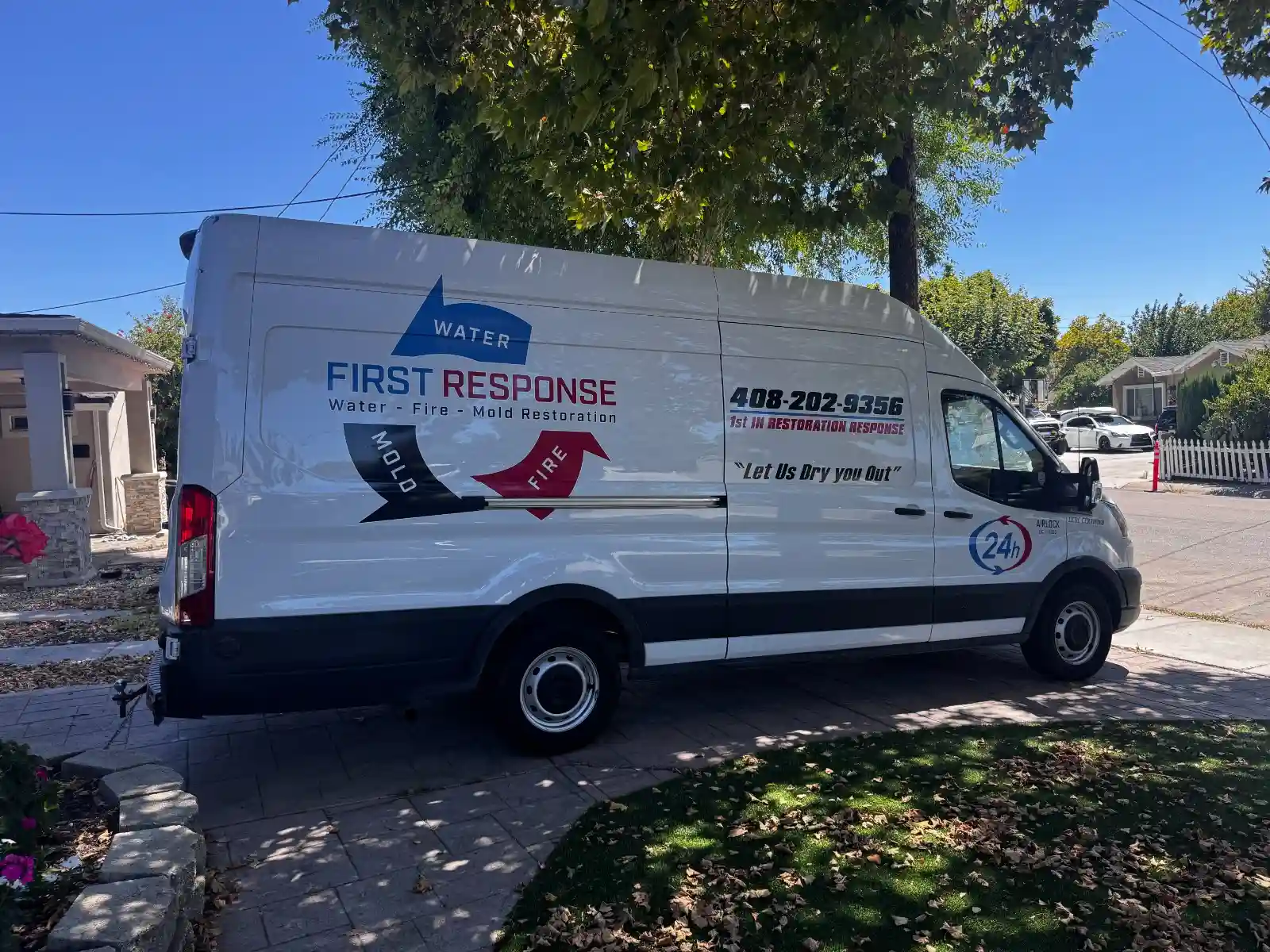
Emergency Water Damage?
Pay Zero Upfront.
Direct insurance billing on covered claims with no hidden catch. Get immediate water damage repair & extraction in San Jose today. Contact us to book a free on-site estimate!
Feel Free to Contact Us or Book Services
First Response: Your best solution for accurate, immediate, and professional help for all your water damage repair and restoration needs in San Jose and Silicon Valley.
- 24/7 Friendly Support
- Professional IICRC-Certified Specialists
- 15+ Years Local Experience in San Jose
- Direct Insurance Billing & Itemized Claims
- Same-Day Water Damage Extraction