Antimicrobial & Disinfection Treatment in San Jose & the South Bay in San Jose, CA
EPA-registered antimicrobial and fungicide application to eliminate mold spores, bacteria, and biohazard pathogens after remediation, sewage backup, and water damage events.
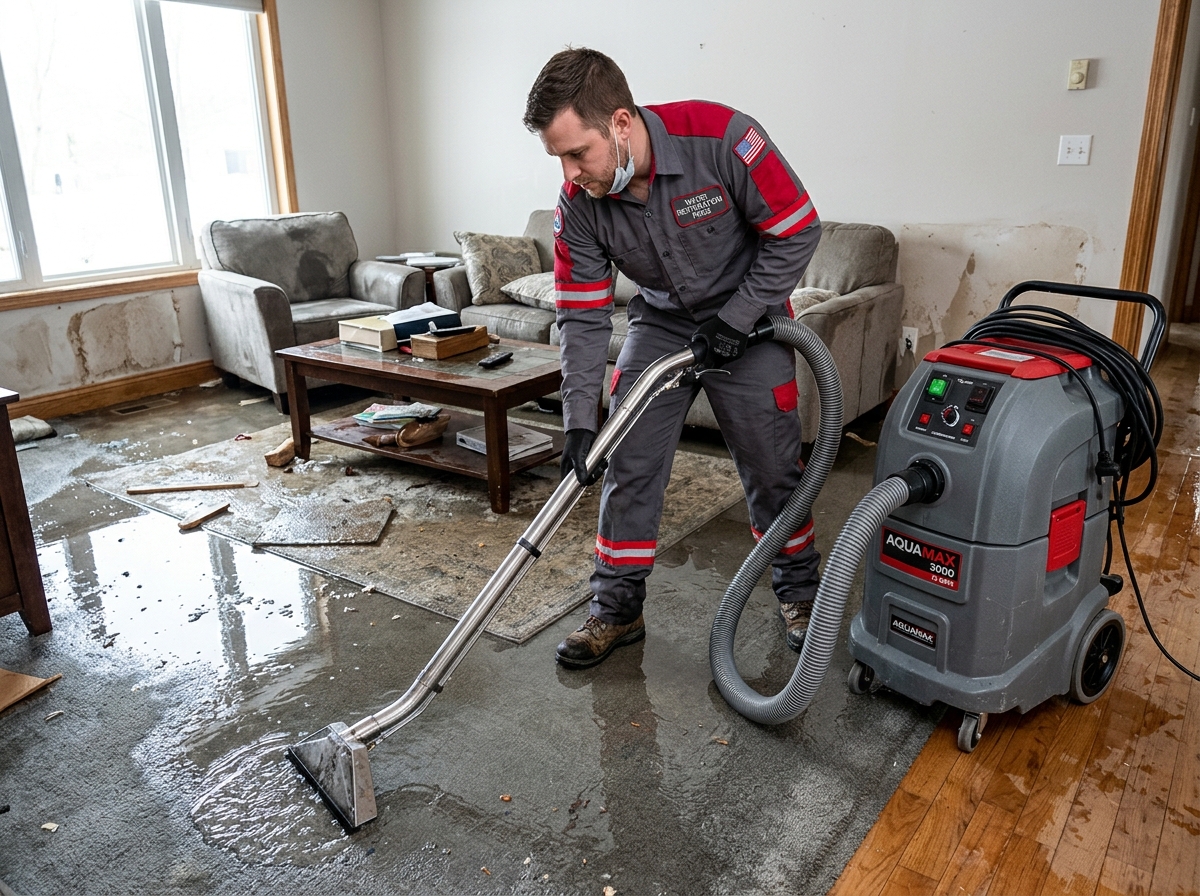
Physical mold removal and water extraction are the first steps — but they are not the last. Mold spores, bacteria, and biohazard pathogens remain on surfaces long after visible contamination is removed. Antimicrobial and disinfection treatment is the final critical step that kills residual contamination, creates an inhospitable surface for future microbial growth, and produces the documented evidence insurers and clearance inspectors require.
At First Response Restoration, we apply only EPA-registered fungicides, hospital-grade disinfectants, and sporicide treatments — the same protocols used in medical facility decontamination. Every application is documented with product registration numbers, coverage areas, and before/after records.
When Antimicrobial Treatment Is Required
Several loss types legally or practically require professional antimicrobial application to safely return a structure to occupancy.
After Any Mold Remediation
Antimicrobial application is the final barrier after physical mold removal — killing residual spores and preventing re-colonization on treated surfaces.
→ See Full Mold Remediation ProcessFollowing Sewage Backup Cleanup
Category 3 black water carries fecal bacteria, E. coli, and hepatitis pathogens. Mandatory hospital-grade disinfection is required after every sewage loss.
→ See Sewage Backup CleanupPost-Flood or Storm Intrusion
Floodwater transports soil-borne bacteria and contaminants from external sources. Disinfection is required even when floodwater appears clean.
→ See Flood Damage RestorationHVAC & Air System Contamination
Mold spores, bacteria, and allergens distributed through ductwork require antimicrobial fogging and surface treatment of the entire air distribution system.
→ See Air Filtration & ScrubbingBiohazard or Trauma Scene Events
Blood-borne pathogens, bodily fluids, and contaminated materials require EPA-registered disinfectants applied by certified technicians using full PPE protocols.
Preventive Pre-Treatment for At-Risk Spaces
Crawl spaces, bathrooms, basements, and other chronically damp or poorly ventilated areas benefit from proactive antimicrobial application before visible growth appears.
→ See Crawl Space EncapsulationEPA-Registered Products — Not Store-Brand Alternatives
Consumer-grade mold sprays and off-the-shelf disinfectants are not formulated for structural decontamination and do not produce the documented efficacy records required for insurance claims or post-remediation clearance. All products used by First Response Restoration are EPA-registered for their specific application type.
Why Product Registration Matters
EPA registration means the product's efficacy against specific pathogens has been independently tested and verified. Insurance adjusters and certified inspectors may request product registration numbers as part of post-remediation documentation.
EPA-Registered Fungicides
Formulated specifically to kill live fungal colonies and residual mold spores — registered with the U.S. Environmental Protection Agency for safety and efficacy.
Hospital-Grade Disinfectants
Quaternary ammonium compounds and hydrogen peroxide-based solutions effective against bacteria, viruses, and Category 3 black water pathogens.
Sporicide Treatments
High-strength sporicide agents penetrate porous surfaces to reach and destroy mold spores that persist after visible growth removal.
Mold-Resistant Encapsulants
Sealing coatings applied over treated surfaces in crawl spaces and wall cavities to prevent future microbial attachment and re-colonization.
Our 6-Step Antimicrobial Treatment Process
A precise protocol applied after remediation or extraction — not before, and not in place of.
Pre-Treatment Assessment
Technicians inspect all affected surfaces, confirm remediation or drying is complete, and determine the scope of antimicrobial application required.
Surface Preparation
Any remaining debris, visible mold staining, or contaminated materials are removed before chemical application — disinfectants cannot penetrate through solid residue.
Application of EPA-Registered Antimicrobials
Technicians apply the appropriate EPA-registered product by spray, fogger, or direct surface treatment based on the type of loss and surface material.
Dwell Time Verification
All EPA-registered products require a specific contact dwell time to achieve rated kill efficacy. Technicians monitor surfaces and do not proceed until dwell time is met.
HVAC & Air Treatment (Where Required)
Antimicrobial fogging or in-duct treatment is applied when contamination has entered the air system, followed by air scrubbing with HEPA filtration.
Post-Treatment Verification & Documentation
Treated areas are inspected and documented with before/after records and product application logs — suitable for insurance and clearance testing purposes.
Safety Protocols & Insurance Documentation
Professional antimicrobial treatment is safe when applied correctly — and produces the documentation chain that insurers and inspectors require to close a claim or issue a clearance certificate.
- All products are EPA-registered for commercial and residential use — safe for re-entry after proper dwell and ventilation periods.
- Full personal protective equipment (PPE) worn by all technicians throughout application, including respirators, gloves, and protective suits for biohazard applications.
- Occupants are notified of re-entry windows and ventilation requirements before work begins.
- Application documentation includes product name, registration number, dilution ratios, and coverage areas — required for some insurance claims and clearance testing.
Documentation Included with Every Treatment
- EPA product registration numbers and safety data sheets
- Pre- and post-treatment photographic records
- Coverage area logs with surface types and square footage
- Product dilution ratios and application method
- Dwell time verification records
- Technician certification documentation on request
Documentation packages are formatted to meet the requirements of standard homeowner's insurance claims and post-remediation clearance inspections.
Related Services — The Full Remediation Sequence
Mold Remediation
Physical removal of mold colonies — the step that precedes antimicrobial treatment.
Learn MoreMold Containment
Negative pressure barriers that isolate affected zones during remediation work.
Learn MoreAir Filtration & Scrubbing
HEPA air scrubbers that capture airborne mold spores during and after treatment.
Learn MoreSewage Backup Cleanup
Category 3 biohazard extraction and the full remediation sequence for sewage losses.
Learn MoreFrequently Asked Questions
Common questions about antimicrobial and disinfection treatment.
Is antimicrobial treatment always included in mold remediation?
Yes. At First Response Restoration, EPA-registered antimicrobial application is a standard final step in every mold remediation project. Physical removal of mold growth alone leaves residual spores — antimicrobial treatment kills remaining spores and prevents re-colonization on treated surfaces.
How long do occupants need to stay out after treatment?
Re-entry times depend on the product used and the size of the treated area. Most residential treatments require 1–4 hours of ventilation after application. Technicians will provide specific re-entry windows and ventilation instructions before work begins.
Can antimicrobial treatment replace mold remediation?
No. Antimicrobial treatment is a final step — not a substitute for physical mold removal. Live mold colonies must be physically extracted and affected porous materials removed or cleaned first. Applying disinfectant over active mold growth without remediation is ineffective and does not stop structural damage.
Will this treatment prevent future mold from growing?
Antimicrobial application eliminates active and residual microbial contamination at the time of treatment. Prevention of future growth requires addressing the moisture source — ventilation, waterproofing, or drainage corrections. In crawl spaces and basements, encapsulation coatings add an additional long-term barrier layer.
Is antimicrobial treatment covered by homeowner's insurance?
In most cases yes, when it is part of a covered water damage, sewage backup, or mold remediation claim. Our documented application records — including product registration numbers, coverage areas, and before/after photos — are formatted to support insurance reimbursement.
Antimicrobial Treatment Service Area
Serving San Jose and all South Bay communities — available 24/7.
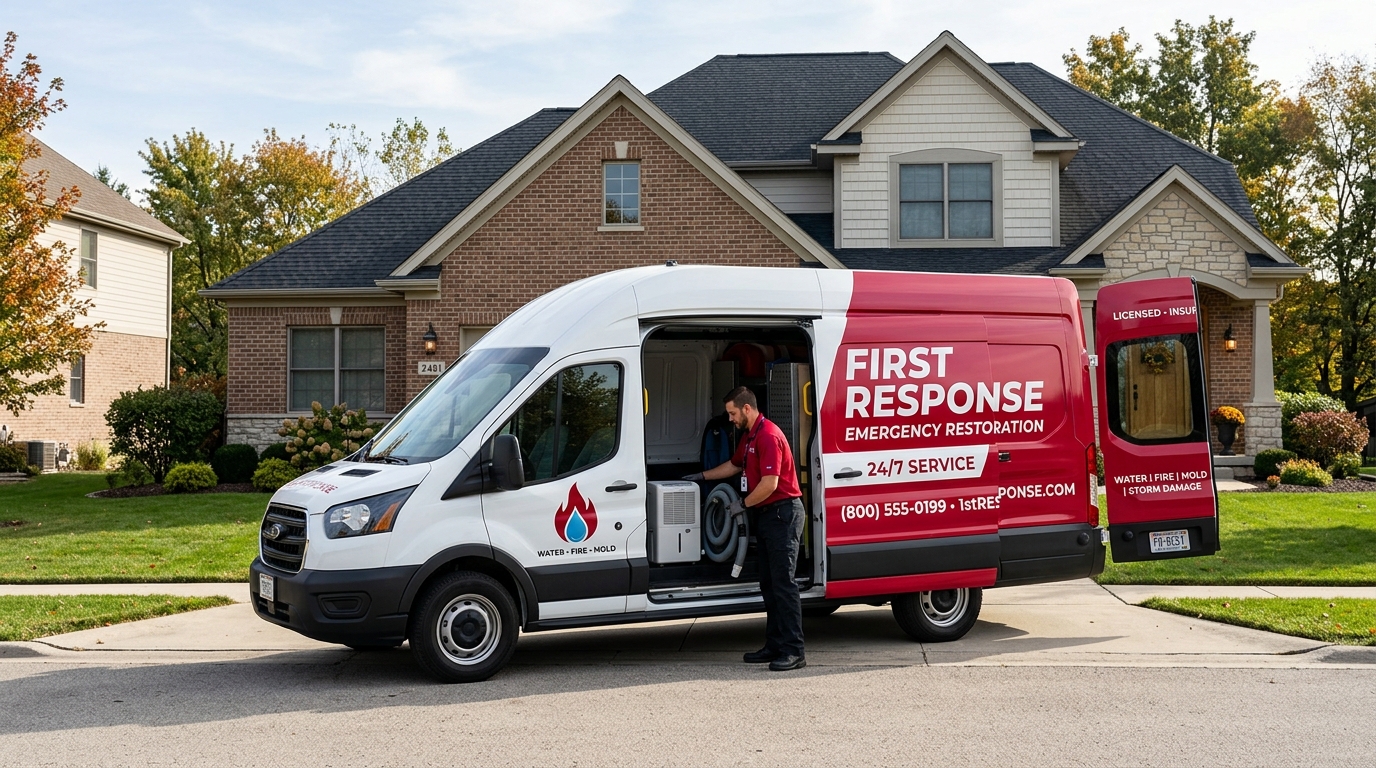
Emergency Water Damage?
Pay Zero Upfront.
Direct insurance billing on covered claims with no hidden catch. Get immediate water damage repair & extraction in San Jose today. Contact us to book a free on-site estimate!
Feel Free to Contact Us or Book Services
First Response: Your best solution for accurate, immediate, and professional help for all your water damage repair and restoration needs in San Jose and Silicon Valley.
- 24/7 Friendly Support
- Professional IICRC-Certified Specialists
- 15+ Years Local Experience in San Jose
- Direct Insurance Billing & Itemized Claims
- Same-Day Water Damage Extraction